What affects the cost of mobility bathroom installation? Key factors for Kent homeowners
By Blue Bay Bathrooms
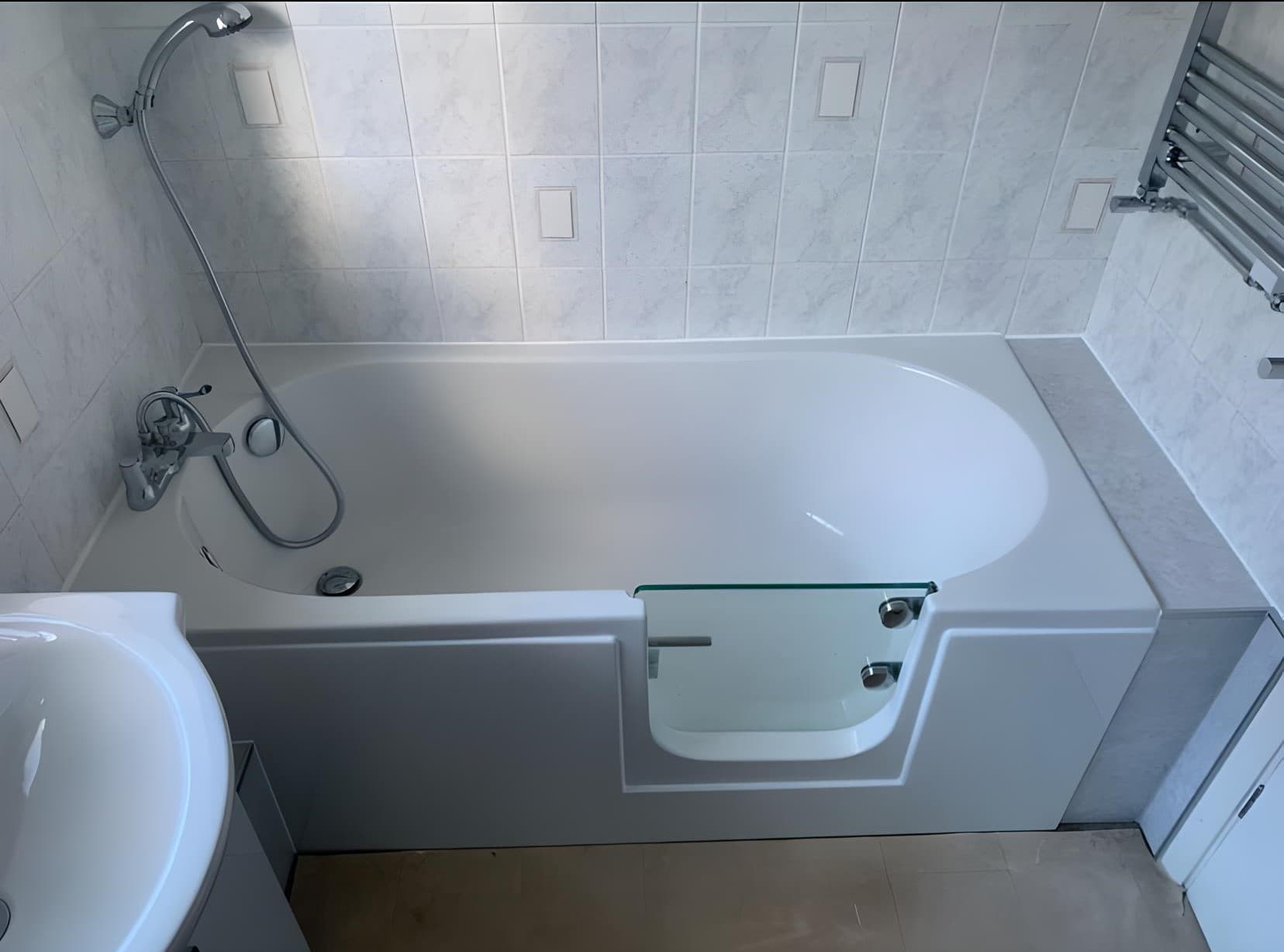
What affects the cost of mobility bathroom installation? Key factors for Kent homeowners
Converting a standard bathroom into a mobility friendly space involves more than swapping a bath for a walk-in shower. For Kent homeowners the cost of a mobility bathroom installation depends on site conditions, design choices and technical work needed to make the room safe and reliable for daily use.
Below are the main factors that influence price, with practical notes to help you get a clear, comparable quote.
1. Scope of the adaptation
A simple addition of grab rails and a shower seat is a low-complexity job. A full mobility refurbishment, including a walk-in bath, level-access wet room or bath-to-shower conversion, involves demolition, new waterproofing, tiling and rerouting of services. The greater the scope, the more trades needed: plumbers, tilers, floor screeders and sometimes carpenters.
Why it matters: more trades and more labour time increase the final cost and the onsite programme.
2. Floor structure and drainage
Mobility bathrooms often require level access or a wet room finish. That can mean adjusting floor levels, installing a wet room former, or creating proper falls to the waste. If foul drains need rerouting or the property lacks fall to the soil stack, a shower pump or macerator may be necessary.
Why it matters: structural work, new drainage runs and pumps add materials and specialist labour.
3. Waterproofing method
There are two common approaches: tanking with liquid membranes and using a pre-formed shower tray or former. Tanking gives a continuous waterproof barrier, useful for wet rooms. Pre-formed systems can be quicker for tray installations.
Why it matters: the chosen method affects labour time, warranty offerings and the long-term performance of the installation.
4. Mobility fixtures and controls
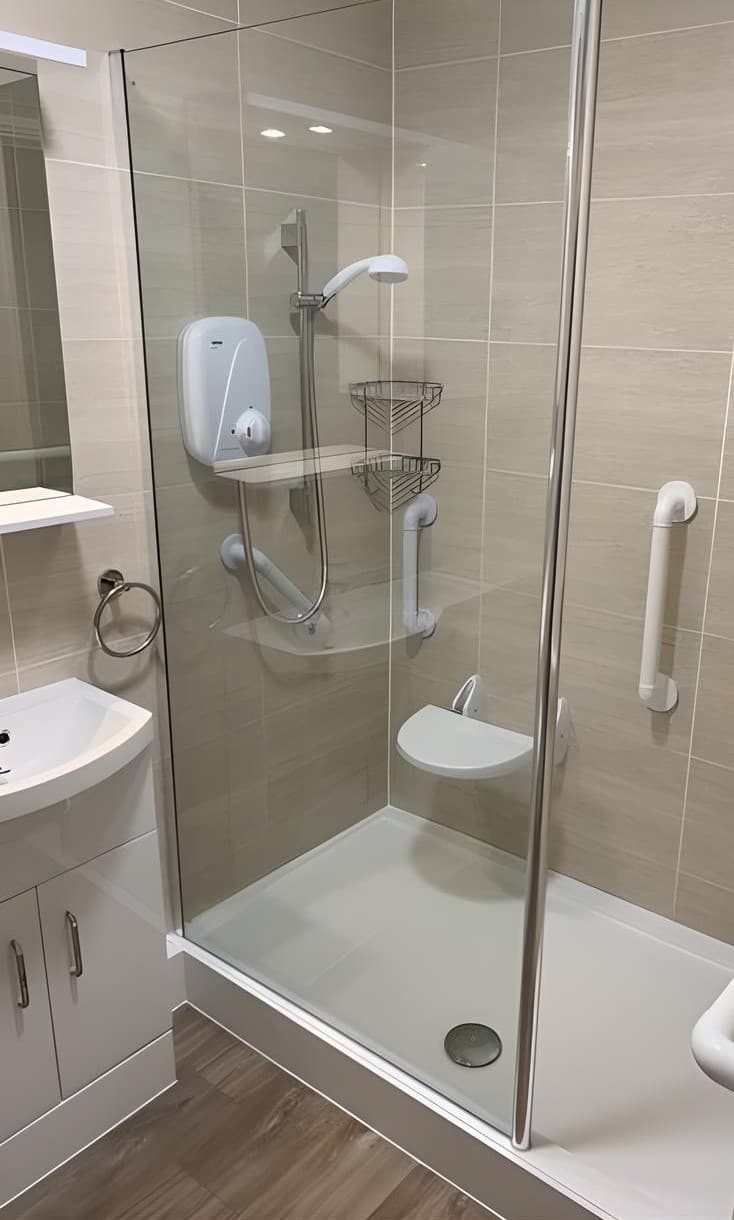
Accessibility fittings include low-threshold trays, walk-in baths, thermostatic mixer valves, pressure-balanced shower valves, lever-style taps, support rails and fold-down seats. Electronic options such as adjustable benches or powered door openers add cost and require coordination with an electrician.
Why it matters: specialist mobility products are more expensive than standard fittings, and electrical components need qualified installation.
5. Tiling, finishes and non-slip surfaces
Slip-resistant tiles, specialist adhesives and longer-format tiles that need fewer grout lines all affect cost. Full-height tiling around wet areas, or tiling to circulate warm water under a seat, increase materials and labour time.
Why it matters: finish quality influences longevity and safety, so choose materials designed for wet, accessible environments.
6. Access and working conditions
If installers need to navigate narrow staircases, park a van some distance away or work in a cramped upstairs bathroom, labour time can rise. Similarly, properties in conservation areas or period cottages may need sensitive working methods.
Why it matters: restricted access increases time on site and may require additional protective measures.
7. Existing plumbing and electrics
Older properties in Kent can have clay drains, corroded soil pipes or outdated wiring. Upgrading a soil stack, replacing corroded copper with modern plastic pipework, or installing an RCD protected circuit for powered showers will affect the project.
Why it matters: bringing services up to current standards is essential for safety and building compliance.
8. Building regulations and approvals
Not all mobility adaptations require a full building regulation application, but work that alters drainage, ventilation or structural openings could. A competent installer will advise and, where required, submit notifications.
Why it matters: compliance may add professional fees but avoids costly remedial work later.
How to get a precise, comparable quote
Take measurements and photos of the existing bathroom, door widths and access route.
List mobility needs: step-free access, seat height, grab rail positions, transfer space for hoists.
Identify preferred fittings and finishes, or ask for trade alternatives with pros and cons.
Ask whether waterproofing methods are tanking or tray-based and what warranties apply.
Confirm who will coordinate any electrical work and whether a qualified electrician is included.
Check programme length and disruption management, especially for elderly or vulnerable occupants.
Practical preparation for Kent homeowners
Plan deliveries and clear access on the day installers arrive. If property parking is limited in towns such as Canterbury or Margate, let the installer know. Keep a list of preferred contacts, and if relevant, check eligibility for local mobility grants or the Disabled Facilities Grant.
Why local experience matters
A Kent-based team understands local building types, common drainage arrangements and access issues in towns like Ramsgate, Whitstable and Dover. Blue Bay Bathrooms has 25 years of experience delivering mobility bathroom installations across Kent, offering fast 2-3 day conversions where possible and a 12-month work guarantee for peace of mind.
For a site visit and a clear, written quote tailored to your mobility needs contact Blue Bay Bathrooms on 07999007642 or email info@bluebaybathrooms.com. We will review layout options, recommend safe, durable fixtures and explain the factors that determine the final cost.