Signs you need mobility bathroom refurbishment - and what to do next
By Blue Bay Bathrooms
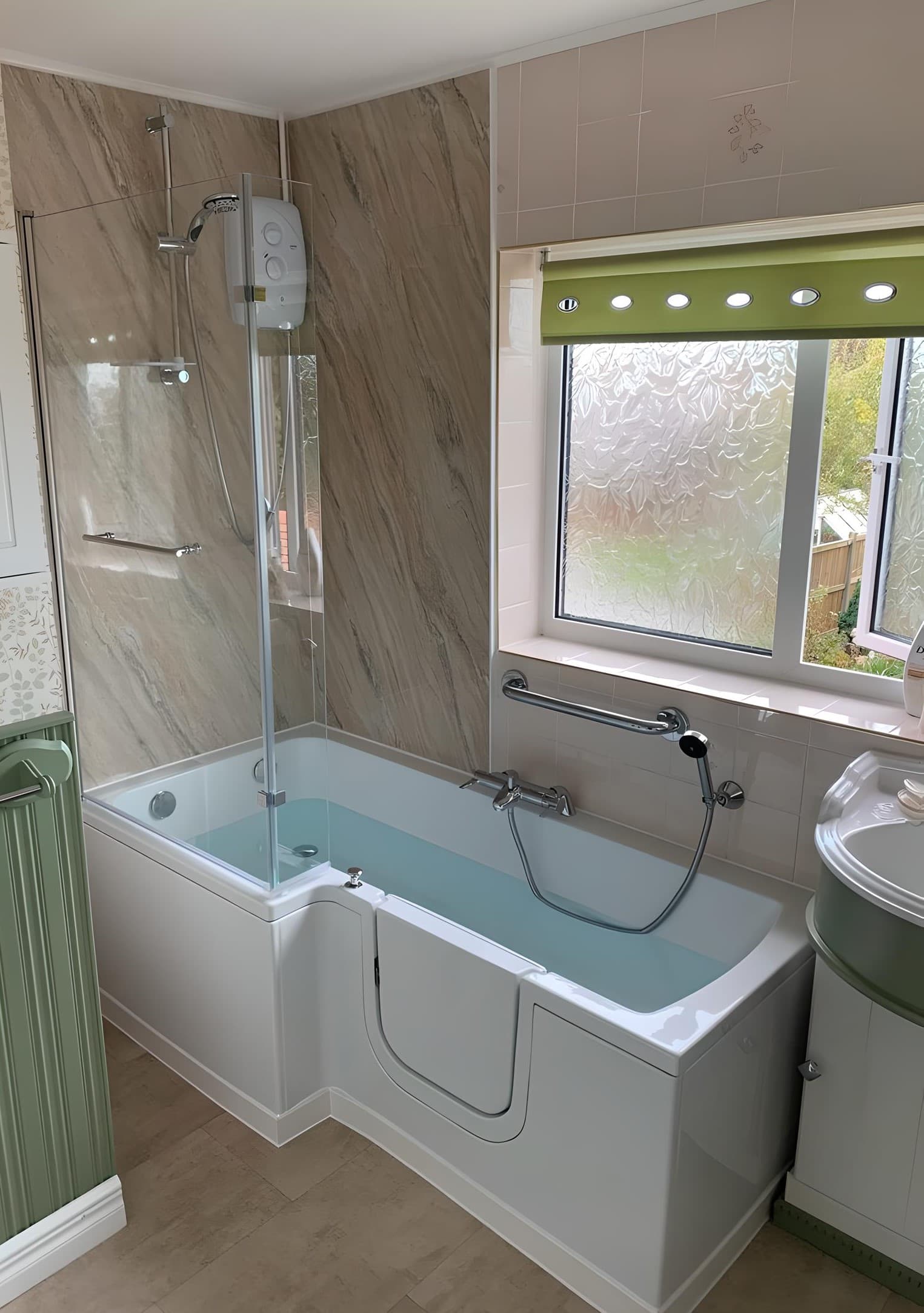
How to tell when a bathroom is no longer suitable for mobility needs
If you or someone in your home is struggling with balance, rising from the bath, or accessing the shower, those are not just inconveniences. They are signs the bathroom may be unsafe. Common warning signs to watch for:
Frequent slipping or near misses in the bath or shower
Trouble stepping over a bath rim or a high shower threshold
Reduced stamina, making long showers or baths difficult
Difficulty reaching taps, shower controls or the toilet
Reliance on towels or unstable furniture to sit on or pull up from
A carer needing to assist with bathing more often than before
Not every sign requires a full refit. Some problems have simple fixes, while others point to a mobility bathroom refurbishment to restore independence and safety.
What mobility bathroom refurbishment actually addresses
A mobility bathroom refurbishment focuses on safety, accessibility and long term usability. Typical interventions include:
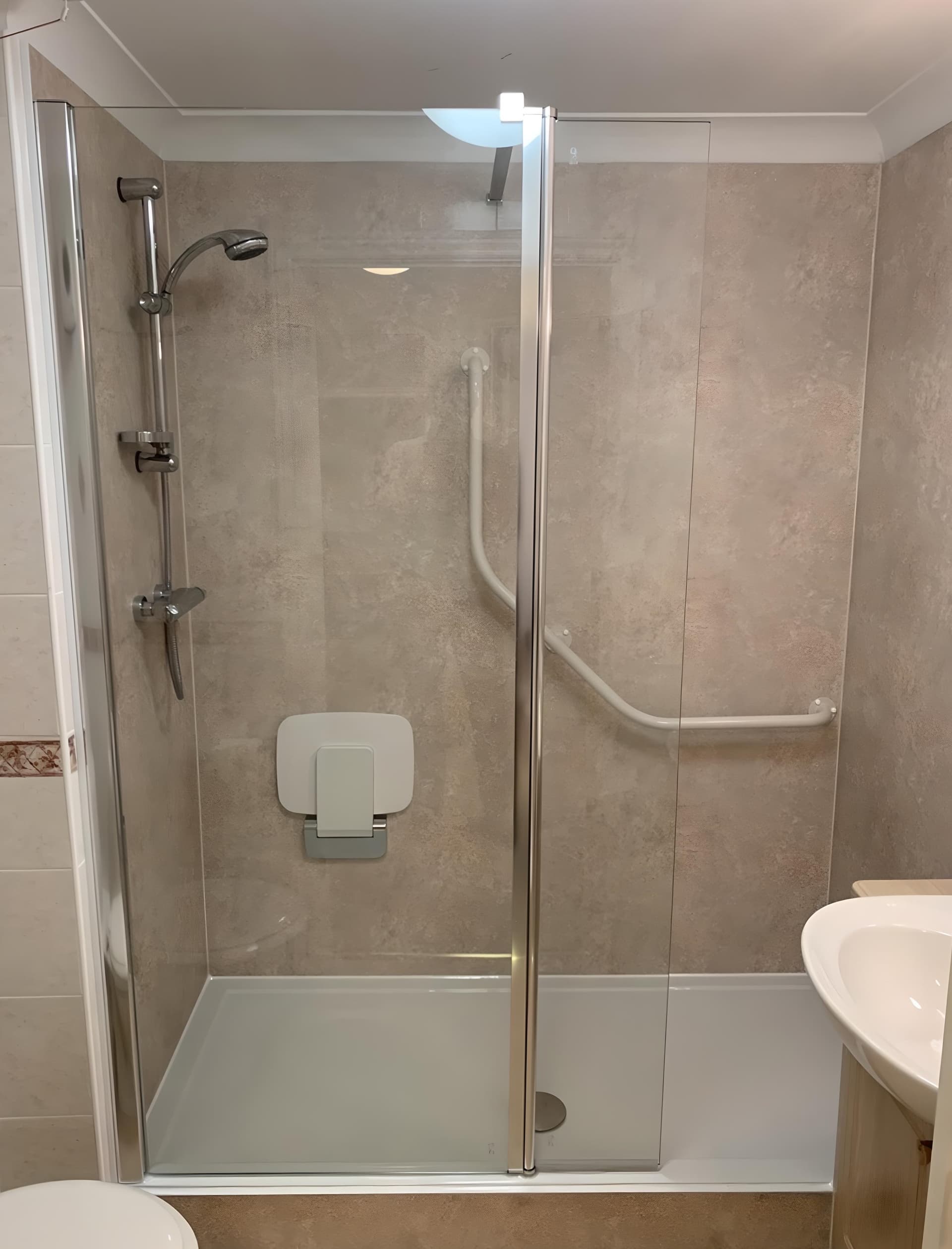
Bath-to-shower conversions to remove the need to step over a rim
Walk-in bath installation for assisted bathing where relevant
Level-access or low-threshold showers and wet rooms
Anti-slip floor finishes and adequate fall gradients for drainage
Grab rails, wall-mounted seats and permanent shower seating
Thermostatic mixer valves to prevent scalding
Repositioned or higher WC frames and lever style taps for easier use
Improved lighting and thermostatic towel rails for comfort and safety
Blue Bay Bathrooms has spent 25 years delivering mobility solutions across Kent, focusing on practical conversions that reduce risk and speed up recovery.
Quick checks you can do today
Before you call a tradesperson, run these quick checks at home. They are useful for an initial conversation with a mobility specialist.
Measure the step up to the bath and the width of the bathroom door, and note if you use a walking aid indoors
Check whether the shower has a seat, grab rail and easy to reach controls
Note any floor slopes or pooling water after a shower
Time how long it takes to get in and out of the bath or manage a shower
These simple observations help a surveyor create a realistic scope and avoid surprises in the project plan.
Who needs to be involved in a refurbishment
Mobility bathroom work is multidisciplinary. Expect input from:
A plumbing and heating specialist for pipe moves and shower installation
A qualified electrician for new lighting and repositioned switches, certified to the latest regulations
A tiler or screeder for floor falls and waterproof membranes
An occupational therapist when mobility needs are complex, to recommend heights, layouts and specific fixtures
Blue Bay Bathrooms coordinates these trades locally across Kent, offering a single point of contact so projects run smoothly.
Typical refurbishment process, step by step
Knowing the sequence reduces stress and helps you plan around disruption.
Initial survey. A mobility-focused survey measures access, highlights risks and tests drainage and electrical layouts.
Design and specification. You receive a practical layout with recommended fixtures and safety features.
Quote and schedule. The contractor explains trade timings, any required building regulation approvals and a start date.
Preparation. Clear the room and arrange temporary washing facilities. For bath-to-shower conversions expect a clear plan to protect floors and exits.
Installation. For many conversions Blue Bay Bathrooms offers fast 2-3 day turnarounds where possible, limiting time without a functioning bathroom.
Handover. You receive a walk-through, operation guidance and details of the 12-month work guarantee.
Practical tips to speed the job and protect your home
Clear a routes to the bathroom for tradespeople, and protect adjoining floors
Photograph the room before work for reference
Keep a small kit of essential items for the temporary wash arrangement
Discuss preferred fixtures early, especially toilet height and lever taps, to avoid delays
When to call a mobility specialist
If you tick any of the warning signs earlier, or if mobility is changing quickly, book a survey. A specialist will assess needs, explain options and advise on building regulations where necessary. For complicated moves of soil stacks or major structural works, you will need professional input and appropriate approvals.
If you are in Kent and want straightforward advice, Blue Bay Bathrooms offers a no-obligation survey and practical recommendations focused on accessible living. Call 07999007642 or email info@bluebaybathrooms.com to arrange a visit. All work is backed by a 12-month guarantee and built on 25 years of local experience.